Will AI Take My Job? A Personal Perspective
Witness the incredible evolution from programming in machine language to today's AI revolution. What once required arranging ones and zeros now only needs a simple English prompt. This leap raises questions about the future of jobs as AI is even making waves in art and film, sparking both excitement
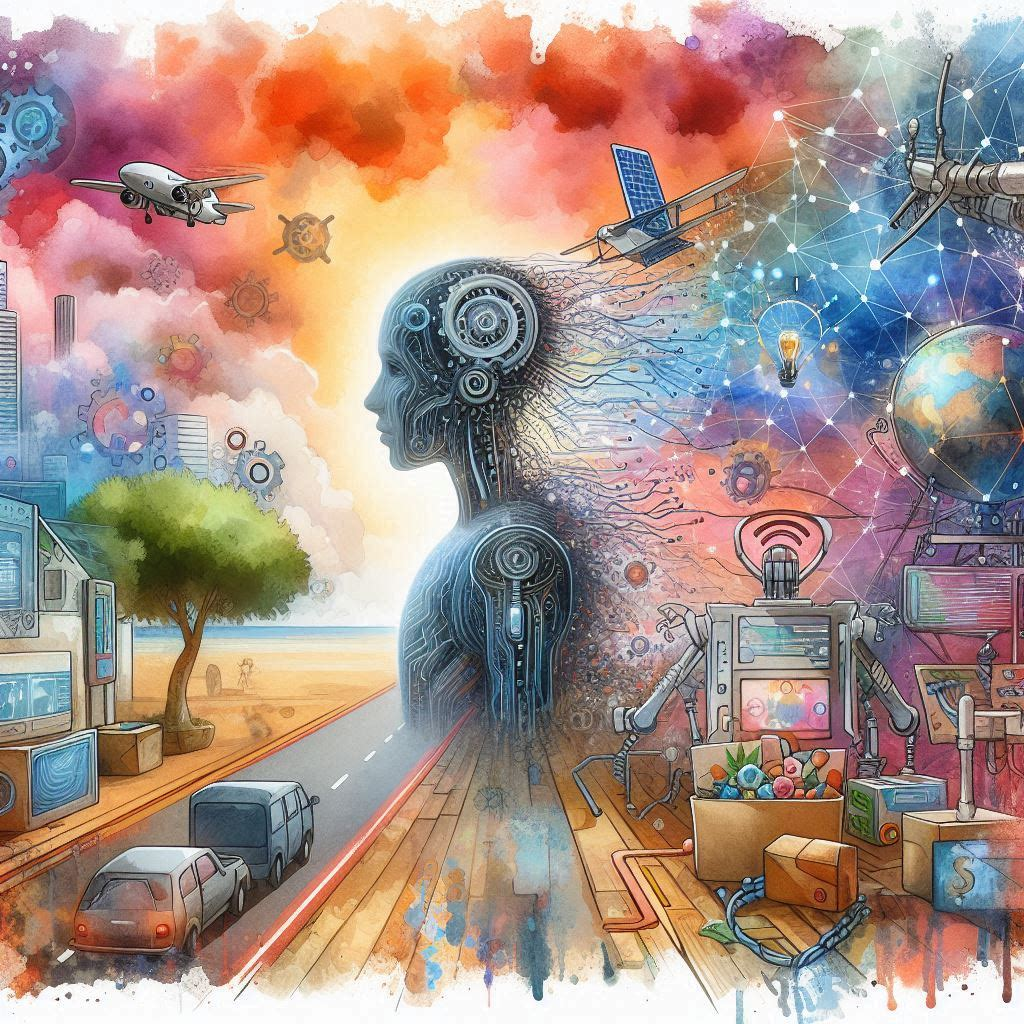
A Journey from Machine Language to AI Assistance
I recently gave an interesting keynote speech about how AI is a Rocketship for the Mind and my experiences using computers. Invariably, the topic turned to if AI or Artificial Intelligence is a good thing, and if AI will take our jobs some day. Let's look at the facts: when I was young, "using" a computer meant programming in machine language. This essentially involved arranging ones and zeros in the right order for the computer to understand my instructions. To leverage the power of a computer, you had to talk to it in its language. My neighbor explored another method to "teach" the computer to learn how not to lose a game of tic-tac-toe. To me, that meant humans were (and still are) teaching computers to think like us.
Fast forward to today, and the landscape has evolved. For instance, I asked Perplexity AI in a simple English sentence to "write an unbeatable tic-tac-toe game, complete with HTML, CSS, and JavaScript". I simply pasted this code on my blog and now anyone can play the game - even on their phones. After I posted the game, my son suggested adding a feature to allow the player to choose whether a human or AI goes first, so I went back to the Perplexity prompt the next day and simply asked it to "add a feature to allow the player to choose whether a human or AI goes first" and it updated the code. Recall, I did not write a single line of code, which I simply pasted into this HTML block below:
Unbeatable Tic Tac Toe
The Changing Role of Coders
This rapid advancement in AI capabilities has sparked concerns among CEOs about the future need for coders. If AI can generate complex code on demand, what does this mean for human programmers? While this is a valid concern, it's essential to recognize that AI also opens up new possibilities and efficiencies. And just like I experienced over thirty years of technological progress - anyone can now "program" a computer to do their bidding. Imagine what this means for society!
“It is our job to create computing technology such that nobody has to program. And that the programming language is human. Everybody in the world is now a programmer. This is the miracle of artificial intelligence.”
Jensen Huang, Founder NVIDIA
AI and the World of Art
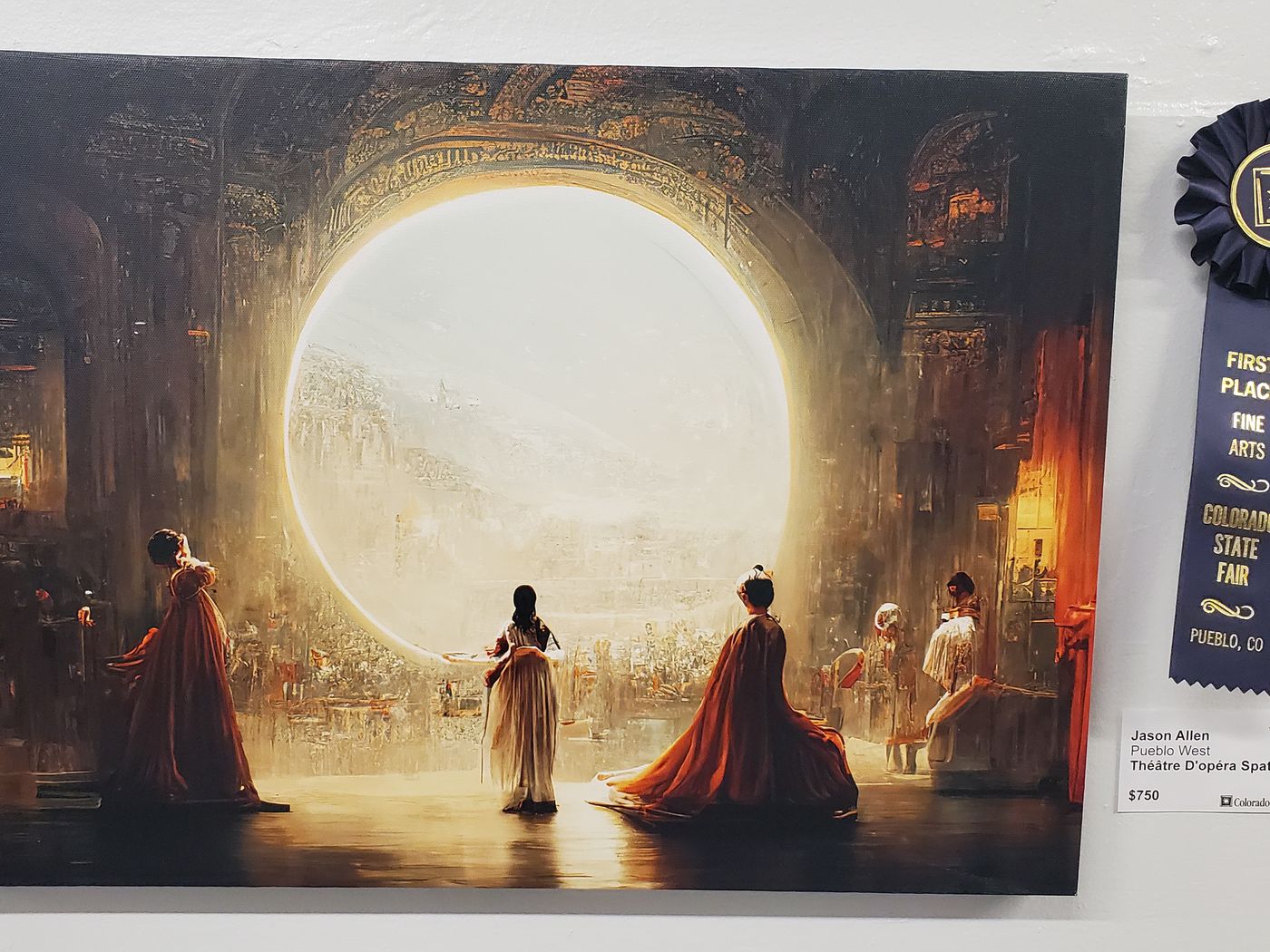
Art is often considered a uniquely human endeavor, driven by emotion and creativity. However, AI is making inroads here as well. To many artists' chagrin, an AI-generated piece of art created by a single text prompt using MidJourney won first place at the Colorado State Fair. This has led to new rules for AI participation in art contests.
Similarly, OpenAI's new Sora text to video generator, though not yet released, has shown promising results with minimal human input, raising questions about its potential impact on the motion picture industry. Recently Tyler Perry and others have stalled or stopped creating physical studios and soundstages as the opportunity to use AI now appears "good enough" for some tasks that might otherwise be painstakingly performed by humans. Of course, if AI is trained to learn what "good art" is from human artists, over time it may have fewer sources to choose from, and likely this won't threaten Hollywood as much as it will TikTok and YouTube creators.