The Current State of VR Headsets: A Comprehensive Guide
Virtual reality (VR) has advanced recently, offering applications beyond gaming, education, healthcare, and social interactions. Get our recommendation as we review the latest VR headsets, such as the Apple Vision Pro, Meta Quest 3, PlayStation VR2, Valve Index, and HTC Vive Pro 2.
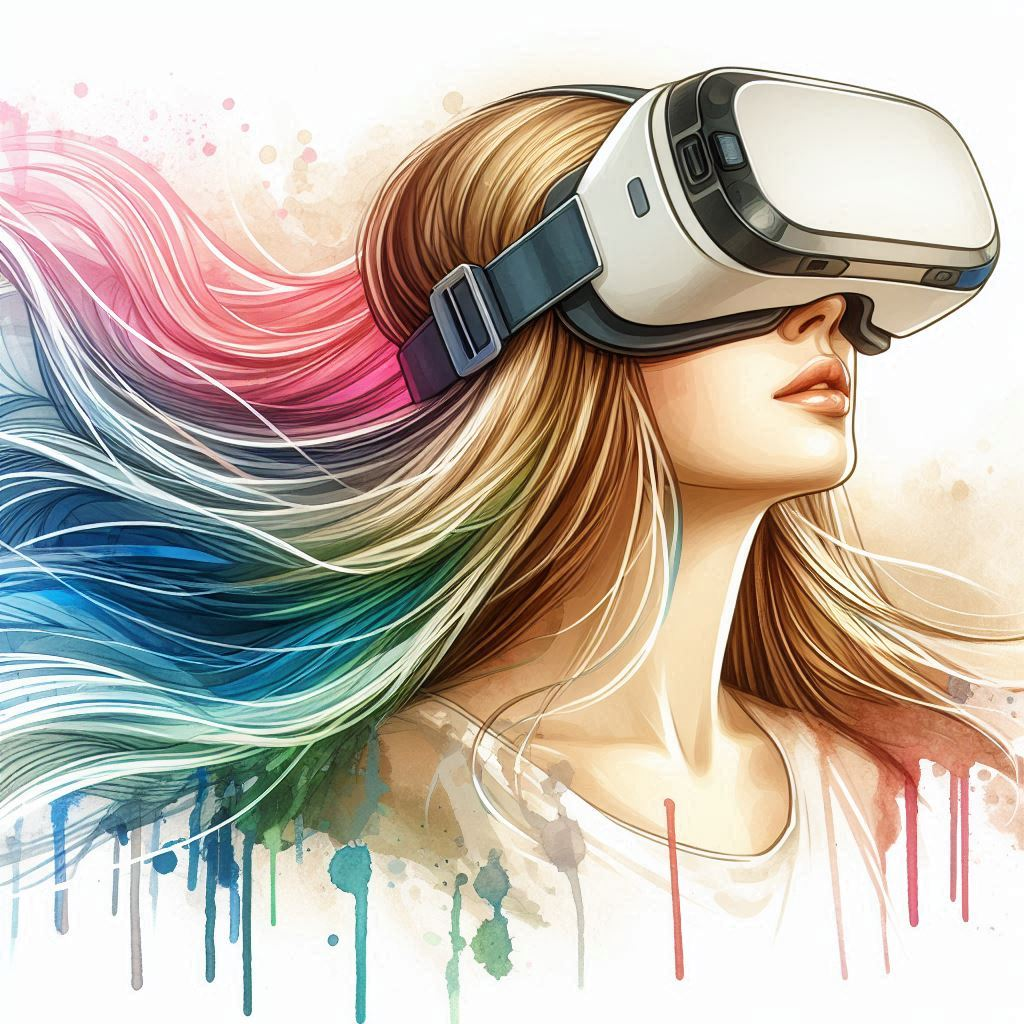
Virtual reality (VR) has evolved significantly, offering a range of experiences that go beyond gaming. From immersive education and training to virtual social interactions and healthcare applications, VR headsets are transforming how we interact with digital content. Whether you're a gamer, a tech enthusiast, or someone curious about the future of digital interaction, there's a VR headset for you. This post explores the current state of VR headsets (August 2024), focusing on the Apple Vision Pro, Meta Quest 3, PlayStation VR2, and more, highlighting the pros and cons of each to help you make an informed decision.
What Can You Do with VR Headsets?
VR headsets open up a world of possibilities, including:
- Gaming: Experience immersive gameplay with rich graphics and interactive environments.
- Education and Training: Engage in realistic simulations for learning and skill development, from medical procedures to public speaking.
- Social Interaction: Connect with others in virtual spaces, attend virtual events, and participate in social skills training.
- Healthcare: Use VR for pain management, physical therapy, and mental health treatments.
- Entertainment: Watch movies, sports, and concerts in a virtual setting, providing a sense of presence and immersion.
- Work and Productivity: Create virtual workspaces, collaborate with colleagues, and manage tasks in a 3D environment.
Apple Vision Pro
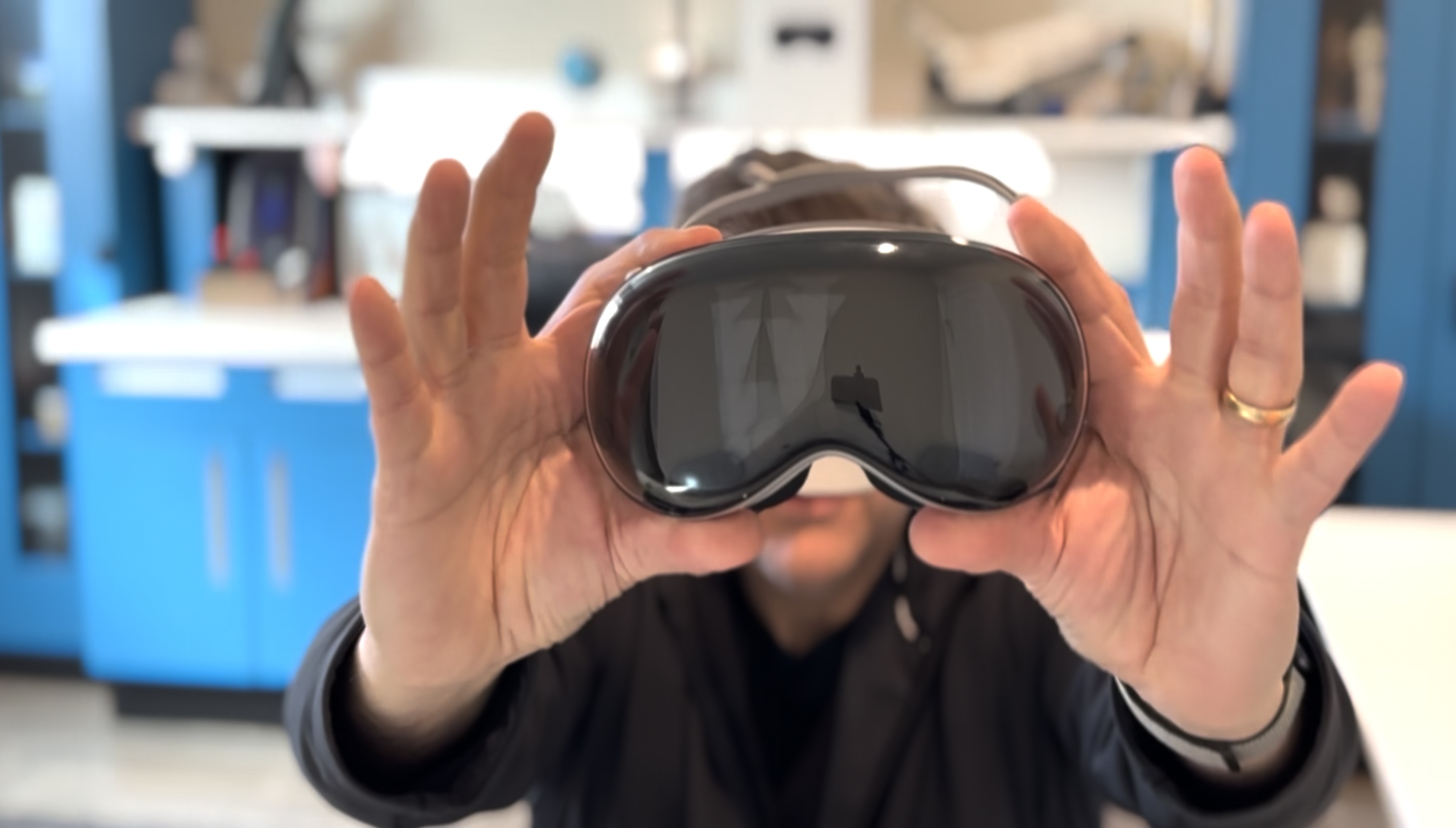
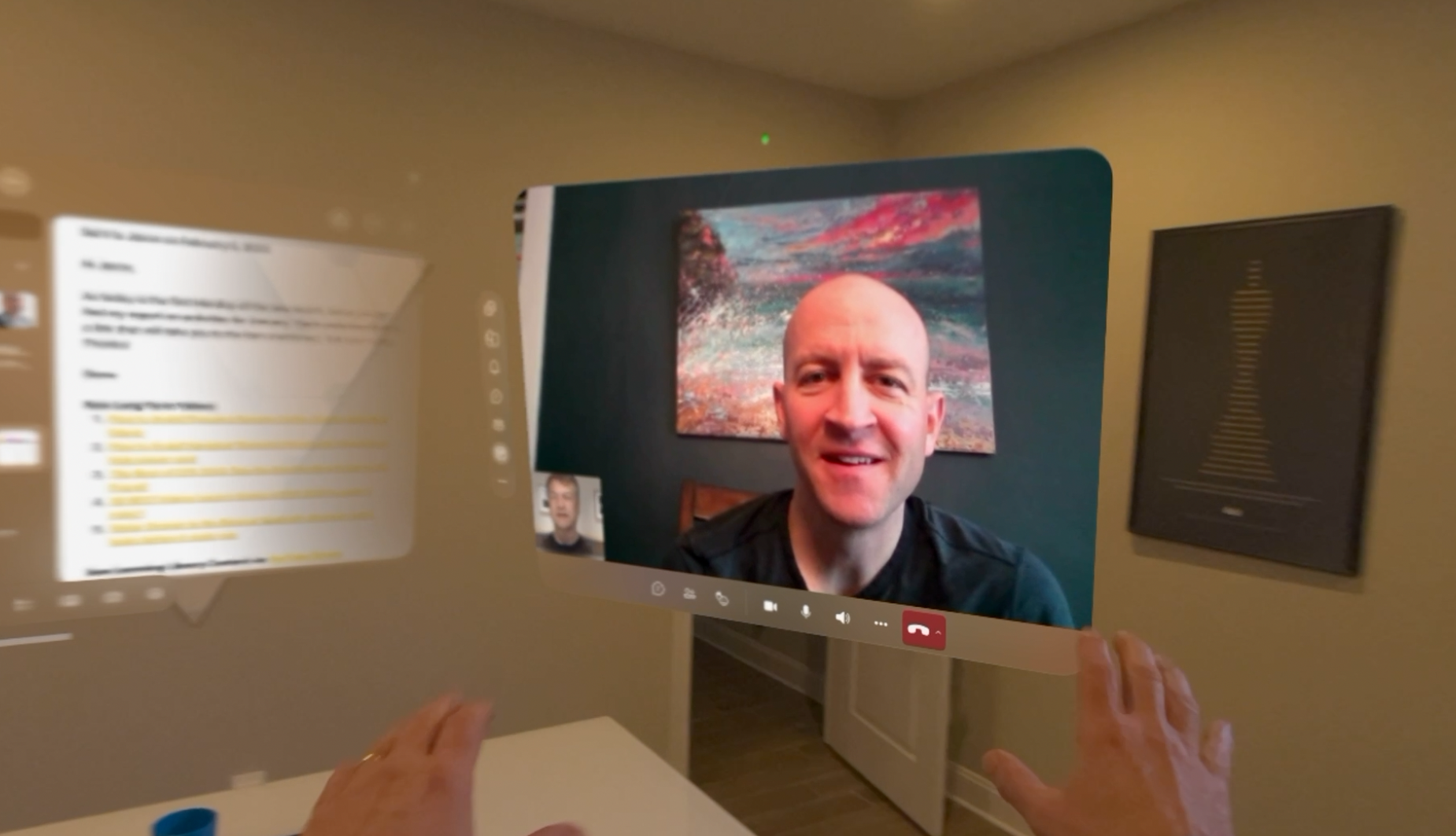
Apple Vision Pro is Apple's ambitious entry into the VR/AR market, aiming to redefine how we interact with digital content through "spatial computing." Tim Cook, CEO of Apple says that “augmented reality is a profound technology” and that Vision Pro is the launch of an entirely new platform. Apple Vision Pro blends digital content into your real world so seamlessly that Apple thinks Vision Pro is the future, saying things like "The Vision Pro is a revolutionary spatial computer that seamlessly blends digital content with the physical world, while allowing users to stay present and connected to others. Vision Pro creates an infinite canvas for apps that scales beyond the boundaries of a traditional display and introduces a fully three-dimensional user interface controlled by the most natural and intuitive inputs possible — a user’s eyes, hands, and voice. Featuring visionOS, the world’s first spatial operating system, Vision Pro lets users interact with digital content in a way that feels like it is physically present in their space. The breakthrough design of Vision Pro features an ultra-high-resolution display system that packs 23 million pixels across two displays, and custom Apple silicon in a unique dual-chip design to ensure every experience feels like it’s taking place in front of the user’s eyes in real time."
Pros:
- Incredible Micro-OLED Screens: Offers stunning visuals with high resolution.
- Intuitive Gesture Controls: Easy to use with natural hand movements.
- Convincing Spatial Experiences: Provides an immersive audio, video and photographic experience that's the next best thing to being there.
- Seamless Integration with Apple Ecosystem: Works well with MacBooks and other Apple devices.
Cons:
- High Cost: Priced at $3,500, making it one of the most expensive VR headsets. (although a lower cost version is rumored for next year)
- Heavy and Bulky: Can be uncomfortable for extended use.
- Low Battery Life: The external battery lasts only about 2 hours.
- Limited Software and field of view: visionOS is still in its early stages and can be glitchy, and you must move your head to "see" more of the world.